Volunteer Cystic Fibrosis: Your Simple Guide to Getting Involved
If you’ve heard about cystic fibrosis (CF) and want to help, you don’t need a medical degree or a big budget. Volunteering for CF is about showing up, lending a hand, and spreading hope. In this guide we’ll cover why CF needs volunteers, the different ways you can contribute, and how to start right away.
Why Volunteer for Cystic Fibrosis?
People with CF face daily treatments, hospital visits, and a lot of paperwork. A friendly face or an extra set of hands can lift that burden. Volunteers help clinics run smoother, support research fundraisers, and give families a break when they need it most. Your time can translate into better care, more awareness, and faster progress toward a cure.
Ways to Volunteer
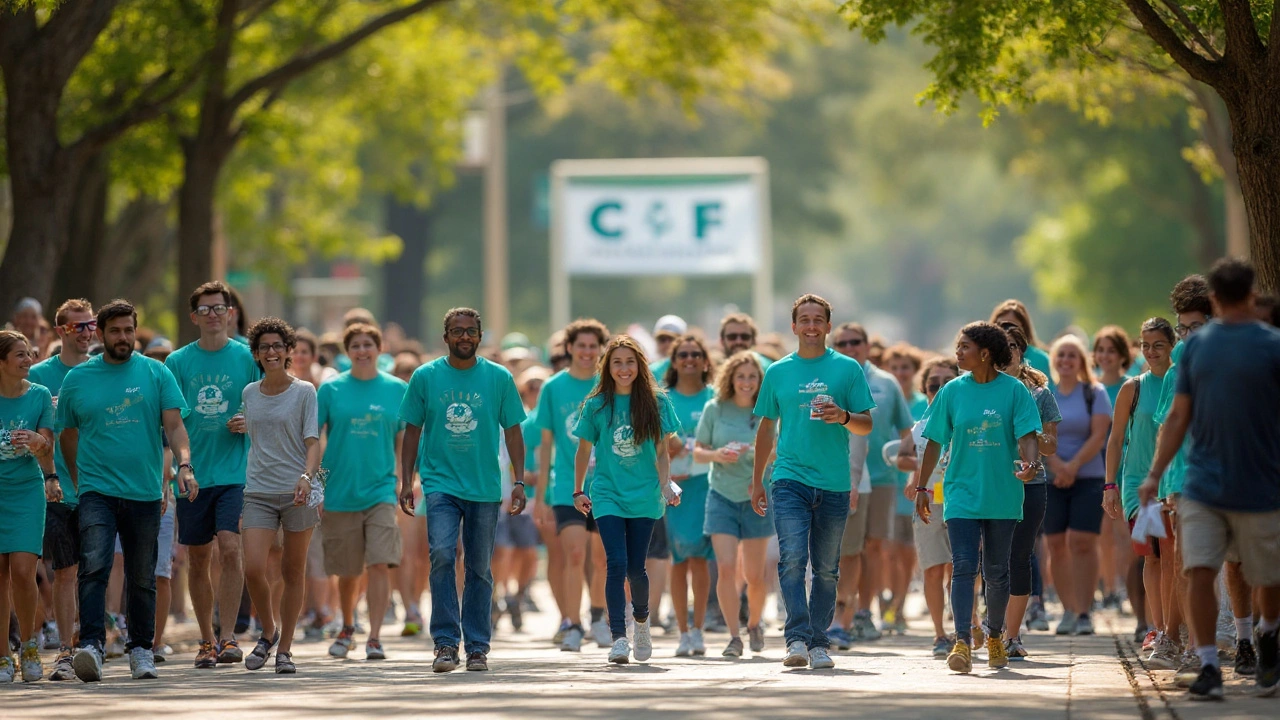
1. Event help – CF organizations often host walks, runs, or charity nights. You can sign up to register participants, hand out water, or collect donations. No special skills are required—just energy and a smile.
2. Clinic assistance – Hospitals sometimes need volunteers to guide patients, answer basic questions, or organize educational materials. A short training session usually covers everything you need to know.
3. Online support – Many CF groups run social media pages or forums. Posting supportive messages, sharing facts, or moderating comments keeps the community strong. All you need is a computer and a reliable internet connection.
4. Fundraising – If you’re good at selling ideas, organize a bake sale, a garage clean‑out, or a crowdfunding drive. Your creativity can bring in funds that fund research and patient programs.
5. Peer mentorship – Adults with CF often need someone who understands their daily routine. If you’re living with CF, sharing your story or offering advice can be priceless for newer patients.
Getting Started
First, locate a reputable CF organization. In the US, the Cystic Fibrosis Foundation has a volunteer portal. In the UK, look for the Cystic Fibrosis Trust. Check their website for a “Volunteer” link, fill out a short form, and you’ll get an email with next steps.
Most groups will ask you to attend an orientation. It’s usually a 1‑hour session that explains privacy rules, safety tips, and what to expect. Bring a notebook, ask questions, and be clear about how many hours you can commit.
After orientation, pick a role that matches your schedule. If you can only spare a few hours a month, event help or online support are perfect. If you have more free time, consider clinic assistance or fundraising.
Remember to keep track of your volunteer hours. Many organizations offer certificates or thank‑you letters that can be useful for jobs or school applications.
Finally, stay flexible. Volunteer needs can change quickly, especially during research drives or holiday seasons. Being adaptable makes you a valuable team member and keeps the CF community moving forward.
Volunteering for cystic fibrosis is a straightforward way to make a real difference. Choose a task that fits your life, follow the simple steps to sign up, and watch how your effort brightens a patient’s day. Every extra hand brings us closer to a cure, and every smile spreads hope.
How to Boost Cystic Fibrosis Awareness and Advocacy - Get Involved Today
Learn practical ways to raise cystic fibrosis awareness, join advocacy efforts, and make a real difference with actionable steps and resources.