Rhinitis Medicamentosa – What It Is and Why It Matters
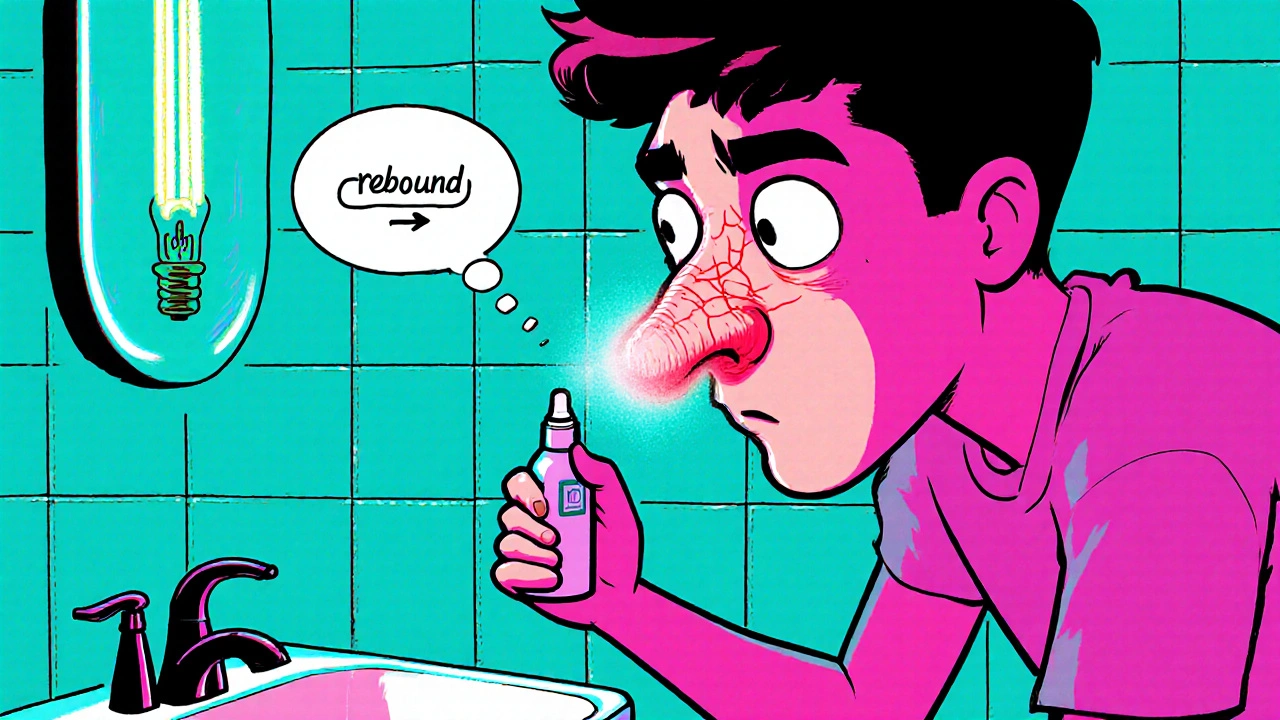
When dealing with Rhinitis Medicamentosa, a condition caused by prolonged use of nasal decongestant sprays that leads to chronic nasal blockage. Also known as rebound congestion, it often sneaks up on people who rely on over‑the‑counter sprays for quick relief. Rhinitis medicamentosa typically develops after daily use of topical vasoconstrictors for more than three to five days, creating a vicious cycle where the nose feels blocked until the spray is used again. This pattern is closely tied to Nasal Decongestant Overuse, which acts as the primary trigger. Another related player is Topical Nasal Steroids, often introduced to tame the inflammation caused by the overuse. Finally, Saline Irrigation offers a gentle, non‑medicated way to keep nasal passages clear while breaking the dependence loop.
Key Factors Behind the Cycle
The central triple here is simple: Rhinitis medicamentosa encompasses rebound congestion, rebound congestion requires nasal decongestant overuse, and overuse influences the need for topical nasal steroids. When a decongestant spray constricts blood vessels, it reduces swelling temporarily, but the lining soon swells back harder once the drug wears off. This “rebound” effect forces users to reach for another spray, deepening the problem. The condition often shows up alongside chronic sinusitis because the lingering blockage encourages mucus buildup and bacterial growth. Patients may also notice a loss of sense of smell, facial pressure, or even headaches. Understanding that the problem is pharmacologic rather than purely allergic helps clinicians choose the right exit strategy.
Breaking the cycle involves three practical steps. First, stop the offending spray – either abruptly (with close medical supervision) or via a tapering plan if withdrawal symptoms are severe. Second, introduce a gentle anti‑inflammatory agent like a low‑dose Topical Nasal Steroid to calm the swollen mucosa without causing rebound. Third, keep the nasal passages moist with regular Saline Irrigation, which washes out irritants and reduces reliance on medicated sprays. Lifestyle tweaks such as humidifying indoor air, avoiding known irritants, and managing allergies with oral antihistamines also support recovery. For severe cases, an ENT specialist might recommend short courses of oral steroids or even surgical options to restore normal airflow.
Below you’ll find a curated set of articles that dive deeper into each of these aspects – from the pharmacology behind decongestant overuse to step‑by‑step guides for tapering sprays and using steroid nasal sprays safely. Whether you’re a patient looking to end the endless spray loop or a clinician seeking clear, evidence‑based recommendations, the collection offers actionable insights you can put to work right away.
Effective Management of Medication‑Induced Nasal Congestion (Rhinitis Medicamentosa)
Learn what rhinitis medicamentosa is, why it happens, and how to safely stop the cycle with proven treatments like saline irrigation and intranasal steroids.
Recent Post
-

7 Alternative Options to Prednisone in 2025
Mar, 31 2025
-

Hoodia Supplement: Natural Weight Loss Solution
Sep, 21 2025