Nicotex Review: What You Need to Know About This Nicotine Gum
When working with Nicotex, a nicotine‑delivery chewing gum used in quit‑smoking programs, also known as nicotine gum, a form of nicotine replacement therapy (NRT), it targets nicotine dependence, the physiological drive behind tobacco use. In the broader context of smoking cessation, Nicotex plays a key role by delivering controlled doses of nicotine to ease withdrawal.
Key Aspects Covered in This Review
The first thing most users ask is how the gum actually works. Nicotex releases nicotine through the lining of the mouth, creating a rapid rise in blood nicotine levels that mimics the hit from a cigarette but without the harmful smoke. This rapid delivery helps satisfy cravings (a core Nicotex review focus) while giving the brain time to adjust to lower nicotine exposure. The second major point is dosage: Nicotex comes in 2 mg and 4 mg strengths, meant to match the smoker’s previous daily intake. Starting with the higher dose for heavy smokers and tapering down over weeks is a common protocol recommended by cessation specialists.
Side effects form the third pillar of the review. Common complaints include mild mouth irritation, hiccups, and a brief metallic taste. These are usually short‑lived and lessen as the user gets used to the chewing rhythm. Rare but noteworthy concerns involve gastrointestinal upset or increased heart rate, which clinicians compare with the profile of nicotine patches. Patches deliver nicotine steadily over 24 hours, reducing spikes but potentially causing sleep disturbances. By contrast, Nicotex offers a flexible “as‑needed” approach, making it easier to align nicotine intake with actual craving moments.
When we talk about alternatives, two prescription drugs often surface: varenicline (Chantix) and bupropion (Zyban). Varenicline works by partially stimulating nicotine receptors while blocking nicotine from binding, which can reduce cravings and withdrawal symptoms. Bupropion acts on dopamine and norepinephrine pathways, easing mood swings that accompany quitting. Both are effective, but they require a prescription and carry different side‑effect profiles. For many, Nicotex serves as a first‑line, over‑the‑counter option before moving to these prescription aids.
Another practical angle covered is the behavioral component of quitting. Nicotex isn’t just a drug; it’s a cue‑replacement tool. The act of chewing replaces the hand‑to‑mouth habit of smoking, which research shows is a major trigger for relapse. Pairing the gum with counseling, mobile apps, or support groups often boosts success rates. In fact, a recent meta‑analysis found that combining NRT like Nicotex with behavioral support increased quit rates by roughly 20 % compared to NRT alone.
Finally, we touch on cost and accessibility. Because Nicotex is sold without a prescription, it’s widely available in pharmacies and online marketplaces. Bulk purchasing can bring the per‑piece cost down to less than a dollar, making it a budget‑friendly option for long‑term quit attempts. When budgeting, patients often compare the total expense of Nicotex with the cumulative costs of cigarettes, showing a clear financial upside within the first month of quitting.
Overall, this review paints a picture of Nicotex as a versatile, evidence‑backed component of a smoking cessation plan. Below you’ll find detailed articles that dive deeper into dosage schedules, side‑effect management, comparisons with patches and prescription meds, and real‑world tips for making the most of this nicotine gum.
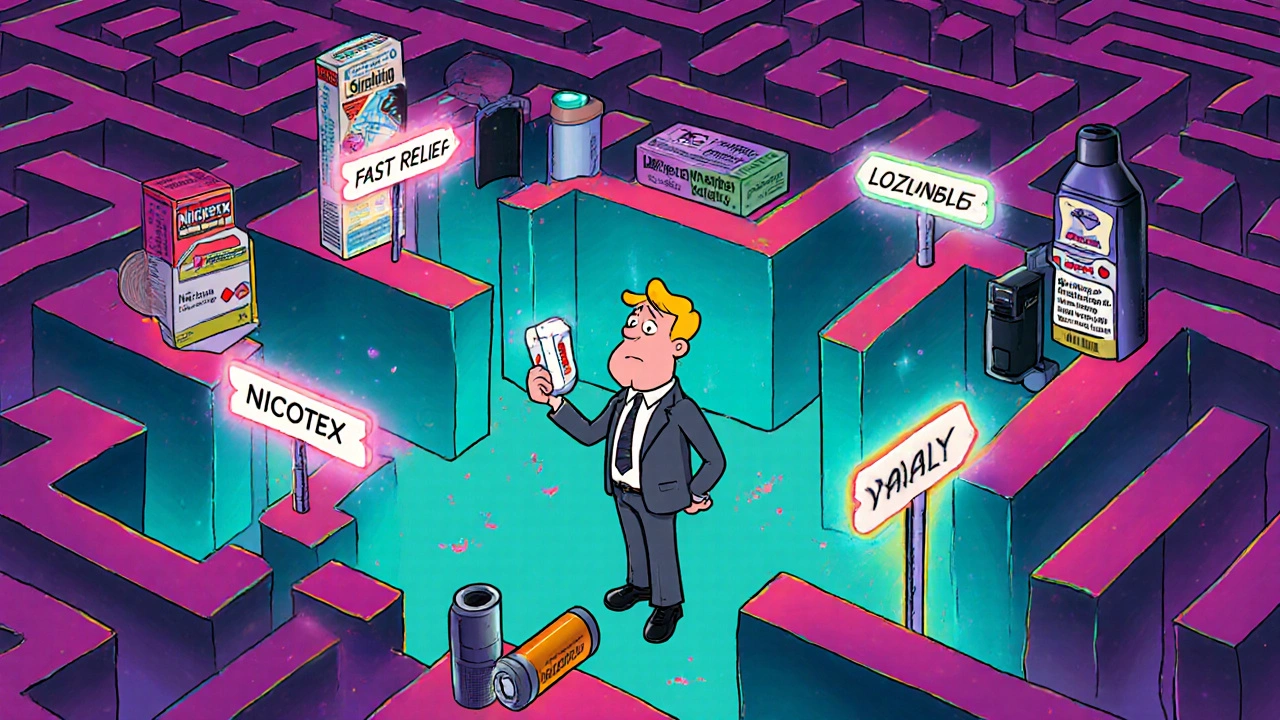
Nicotex vs Other Nicotine Replacement Options: Full Comparison 2025
A detailed 2025 comparison of Nicotex nicotine gum with patches, lozenges, vaping, and prescription aids, covering cost, side effects, and best-fit scenarios.