nasal spray withdrawal: symptoms, causes, and safe tapering
When dealing with nasal spray withdrawal, the cluster of rebound congestion, cravings, and discomfort that appears after stopping a decongestant spray used for weeks or months, many people wonder why their nose feels worse instead of better. Most users start because seasonal allergies or a cold make a spray feel like a quick fix, yet they often overlook that regular use can create a physical dependence. This phenomenon is also called rebound congestion, a cycle where the nasal lining swells again once the spray is discontinued, and it shares physiological pathways with other dependence issues, such as opioid dependence, a condition marked by tolerance, withdrawal, and compulsive use of opioid drugs. Both situations involve the brain’s reward and stress circuits, which is why strategies from addiction treatment, medical and behavioral programs designed to reduce cravings and manage withdrawal often prove useful for nasal spray users. Understanding nasal spray withdrawal is the first step to a smoother recovery.
How withdrawal symptoms develop and what to expect
Stopping a nasal decongestant triggers a rebound response because the medication blocks blood vessels in the nasal lining. Once the drug is gone, those vessels dilate, leading to swelling, runny nose, and a feeling of "blocked" that can last from a couple of days up to several weeks. The timeline mirrors the withdrawal symptoms seen in opioid dependence, where the body reacts to the absence of a substance it has adapted to. Common signs include nasal irritation, sinus pressure headaches, a constant urge to spray again, and even insomnia if the discomfort disrupts sleep. Severity often depends on how long the spray was used, the potency of the active ingredient, and the frequency of application—just like opioid withdrawal severity scales with usage history. To manage the physical side, clinicians recommend a gradual taper: cut the dose in half every three to five days, alternate with a saline nasal rinse, or temporarily add a low‑dose intranasal corticosteroid under medical supervision. These steps echo the gradual dose reduction used in addiction treatment, where safety and comfort guide the pace.
Beyond the physical signs, the emotional side can feel like cravings you’d get with any habit‑forming drug. That’s why many health professionals suggest behavioral tools—tracking spray use in a journal, setting reminders to skip a dose, and seeking support from a pharmacist or doctor. Patient education about the risks of over‑use, the signs of rebound congestion, and the benefits of non‑medicated irrigation can empower users to stick with the plan. In this collection you’ll also find articles on related topics such as opioid overdose prevention, environmental impact of pharmaceuticals, and managing side effects of other medications—showing how withdrawal fits into a broader health picture. Explore the resources below for step‑by‑step taper plans, tips on using saline rinses or steroid sprays safely, and insights from addiction treatment that can make your nasal spray withdrawal experience less stressful.
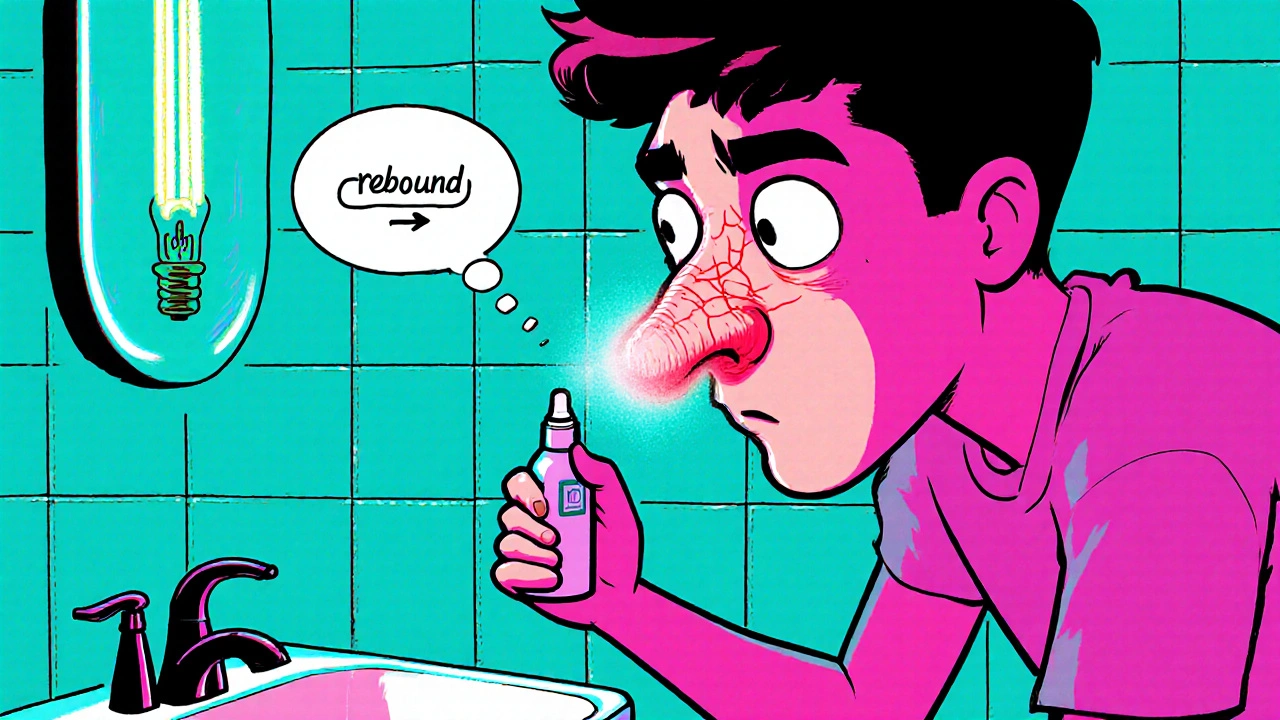
Effective Management of Medication‑Induced Nasal Congestion (Rhinitis Medicamentosa)
Learn what rhinitis medicamentosa is, why it happens, and how to safely stop the cycle with proven treatments like saline irrigation and intranasal steroids.