Minoxidil: Basics, Benefits, and Practical Tips
When working with minoxidil, a vasodilator originally developed for blood pressure that became popular as a hair‑growth aid. Also known as Rogaine, it is applied topically to stimulate follicles. Alopecia, the medical term for hair loss, is the main condition people target with this drug. The topical solution format allows the active ingredient to reach the scalp directly, while dosage guidelines dictate how much and how often you should apply it to get results without irritation. Understanding these core pieces helps you decide if minoxidil fits your hair‑restoration plan.
Why the Mechanism Matters
Minoxidil works by widening blood vessels in the scalp, which improves oxygen and nutrient flow to hair follicles. This increased circulation can shift dormant follicles into the growth phase, a process known as anagen stimulation. Because the drug acts at the follicle level, it can benefit both men and women experiencing androgen‑dependent hair loss, though results vary. The link between minoxidil and improved follicle health explains why many users see thicker strands within a few months. However, the effect stops if you discontinue use, so ongoing commitment is key.
Choosing the right concentration is another piece of the puzzle. Over‑the‑counter products typically offer 2% for women and 5% for men, but some dermatologists prescribe higher strengths for stubborn cases. Pairing the correct concentration with the proper application frequency follows a simple rule: higher strength usually means fewer applications per day. This relationship—higher concentration reduces the need for multiple daily doses—helps minimize scalp irritation while still delivering the desired growth signal.
Side effects, though generally mild, influence how consistently people stick with the regimen. Common complaints include itching, dryness, or a temporary shedding phase as old hairs fall out to make way for new growth. Rarely, users experience unwanted facial hair or a rapid heart rate, especially if they exceed recommended amounts. Monitoring these reactions and adjusting the routine—or consulting a healthcare professional—ensures you stay on track without unnecessary discomfort.
Real‑world experience shows that combining minoxidil with other hair‑care strategies can boost outcomes. For example, gentle cleansing, avoiding harsh chemicals, and using a nourishing conditioner protect the scalp while the drug does its job. Some users also add biotin or iron supplements if they have a nutritional deficiency that hampers hair health. The synergy between proper scalp care and minoxidil’s pharmacology often results in faster, more noticeable results.
Below you’ll find a curated list of articles that dive deeper into each aspect mentioned here. From detailed dosage charts to side‑effect management tips, the posts cover practical advice you can apply right away. Browse the collection to fine‑tune your hair‑loss plan, learn how to avoid common pitfalls, and see how minoxidil fits into a broader wellness routine.
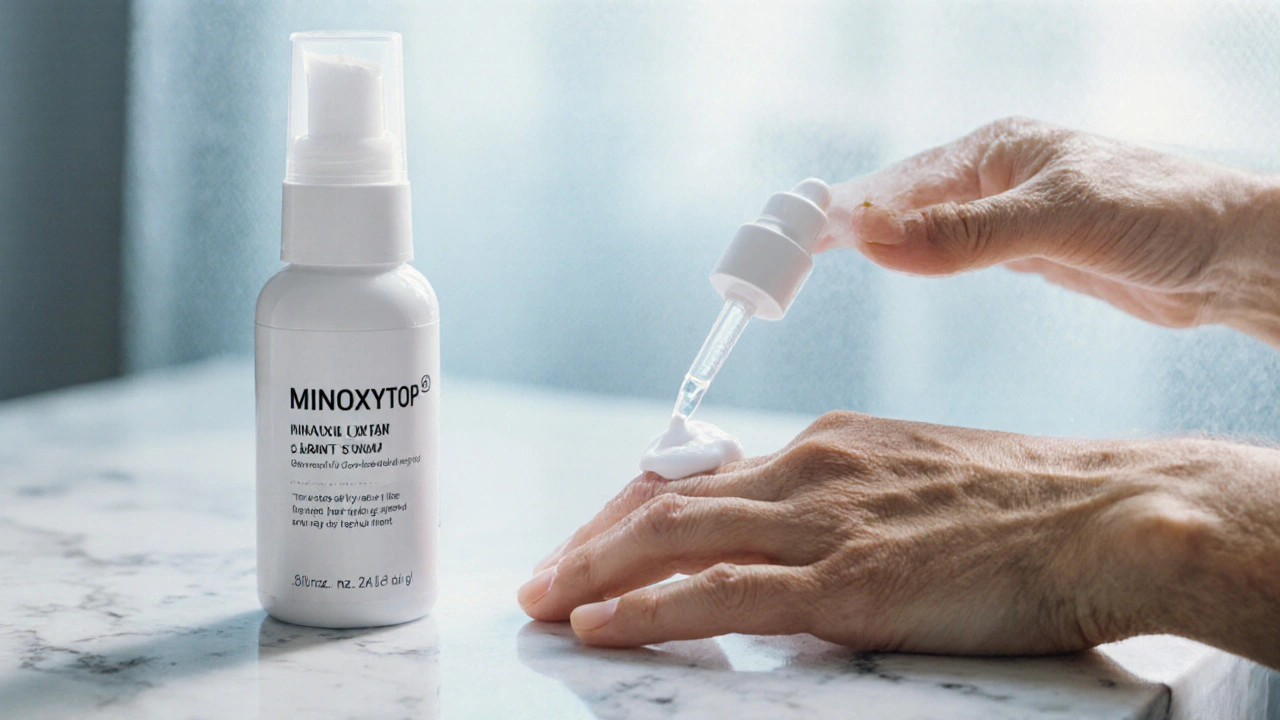
Minoxidil (Minoxytop) vs Alternative Hair Loss Treatments - 2025 Comparison
A 2025 guide comparing Minoxytop (minoxidil) with finasteride, LLLT, PRP, natural oils, and hair transplant, covering efficacy, cost, side effects, and how to choose the right hair‑loss solution.