Low Density Urbanism: What It Means and Why It Matters
When talking about low density urbanism, a planning approach that favors spread‑out building patterns, lower population density, and ample open space. Also known as low‑density urban planning, it aims to balance built environments with natural elements. This model often includes green spaces, parks, gardens, and natural corridors woven into neighborhoods, promotes robust public transit, bus, rail, or shuttle services that connect dispersed communities efficiently, and emphasizes walkability, the ease of moving on foot thanks to sidewalks, paths, and safe crossings. These three pillars together shape how people experience daily life in spread‑out cities.
Low density urbanism isn’t just about fewer people per block; it creates a ripple effect on health, environment, and economics. When residents have easy access to green spaces, studies show lower stress levels and higher physical activity rates, directly boosting community health, overall well‑being measured by reduced chronic disease and better mental health outcomes. Reliable public transit reduces car dependence, cutting greenhouse‑gas emissions and improving air quality—key components of a sustainable environmental impact, the measurable effect of human activities on ecosystems. Walkable streets encourage spontaneous social interactions, strengthening neighborhood ties and fostering a sense of safety. Together, green spaces, transit, and walkability form a triangle where each side supports the others: green spaces make walking pleasant, walkability increases transit ridership, and transit expands access to parks.
Putting Theory Into Practice
Implementing low density urbanism requires thoughtful zoning, mixed‑use development, and investment in infrastructure. Planners must address challenges like urban sprawl, which can strain resources if not paired with transit corridors and protected open land. Smart zoning policies can cluster amenities—schools, clinics, shops—within walkable distances while still preserving large parcels for parks or agricultural uses. Incentives for developers to include affordable housing keep neighborhoods diverse and prevent the segregation that sometimes follows low‑density expansion. By aligning policy, design, and community input, cities can reap the benefits of a spread‑out layout without sacrificing sustainability or equity. Below you’ll find a curated set of articles that dive deeper into these topics, from health‑focused studies to practical guides on designing transit‑friendly low‑density districts.
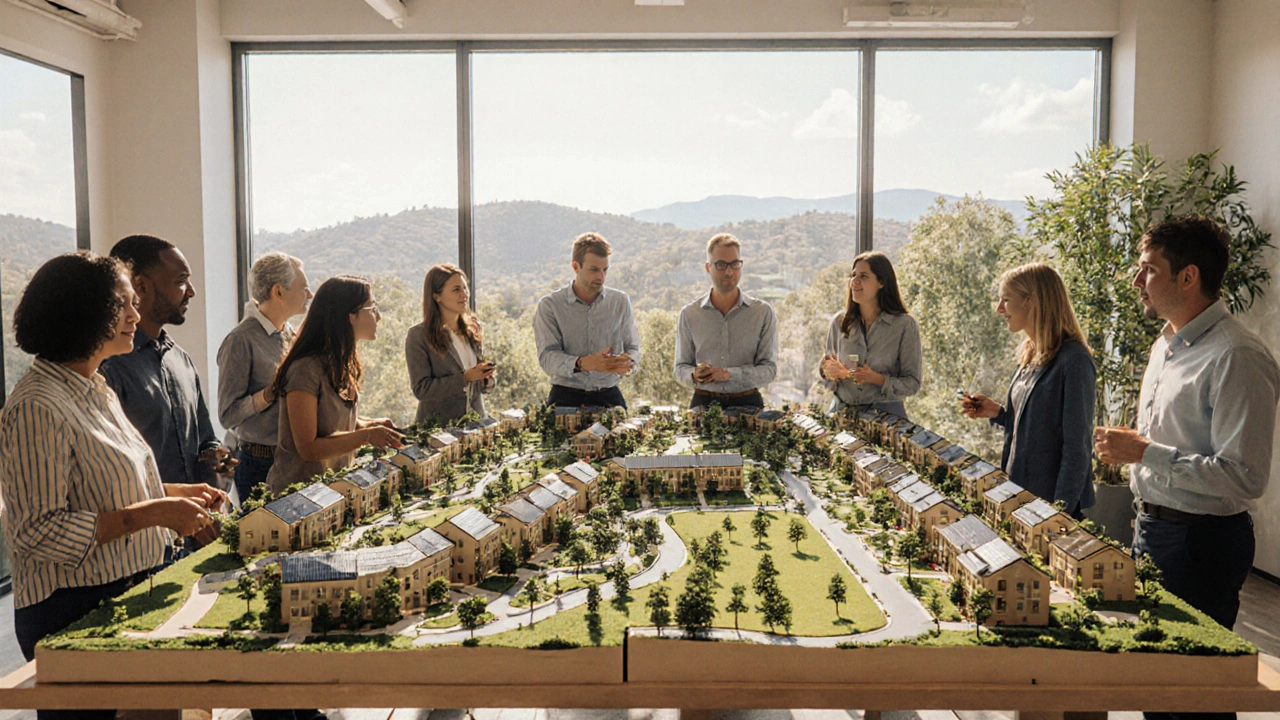
Low‑Density Urbanism: Stop Sprawl & Drive Sustainable Growth
Explore how low density urbanism curbs urban sprawl, preserves green space, and drives sustainable growth with practical steps for planners, developers, and citizens.