FDA Drug Safety Communication: What You Need to Know About Medication Risks and Alerts
When the FDA Drug Safety Communication, an official alert issued by the U.S. Food and Drug Administration to warn the public about serious risks tied to medications. Also known as FDA safety alert, it is a direct line from regulators to patients, telling them when a drug might cause harm—even if it’s been on the market for years. These aren’t vague warnings. They’re specific, data-backed notices that tell you when a drug like ciprofloxacin can fail if taken with antacids, or when St. John’s wort can cancel out birth control. The FDA doesn’t issue these lightly. Every one is triggered by real patient harm, hospitalizations, or deaths.
These alerts don’t just target brand-name drugs. They cover generic drugs, medications approved by the FDA as bioequivalent to brand-name versions but often misunderstood in terms of safety and stability. A stability test failure, a batch with degraded active ingredients, or a generic that doesn’t dissolve properly in the body—all of these can trigger a safety notice. That’s why shelf life matters. That’s why timing your antibiotic with dairy or antacids isn’t just a suggestion—it’s a matter of life or death. And it’s why drug interactions, harmful reactions between two or more medications or supplements. are the most common reason behind these alerts. Think of it like this: your pill organizer might keep your doses straight, but if you’re mixing supplements with blood thinners, you’re still at risk.
The FDA doesn’t just warn you after the fact—they also update therapeutic equivalence codes in the Orange Book to tell pharmacists which generics can and can’t be swapped. That’s why you might get a different pill than last time, even if the name is the same. Some generics aren’t interchangeable. And if you’re on seizure meds during pregnancy, or taking MAOIs and eating aged cheese, these alerts are your lifeline. They’re the reason you should always read your medication guide, check for overdose warnings, and talk to your pharmacist before changing anything.
Below, you’ll find clear, practical guides on exactly what these alerts mean for you. How to spot a dangerous interaction. How to store your meds so they don’t degrade. How to use your prescription label to set reminders that actually work. Whether you’re on antibiotics, antidepressants, or just taking a daily supplement, these posts give you the tools to stay safe—not just informed.
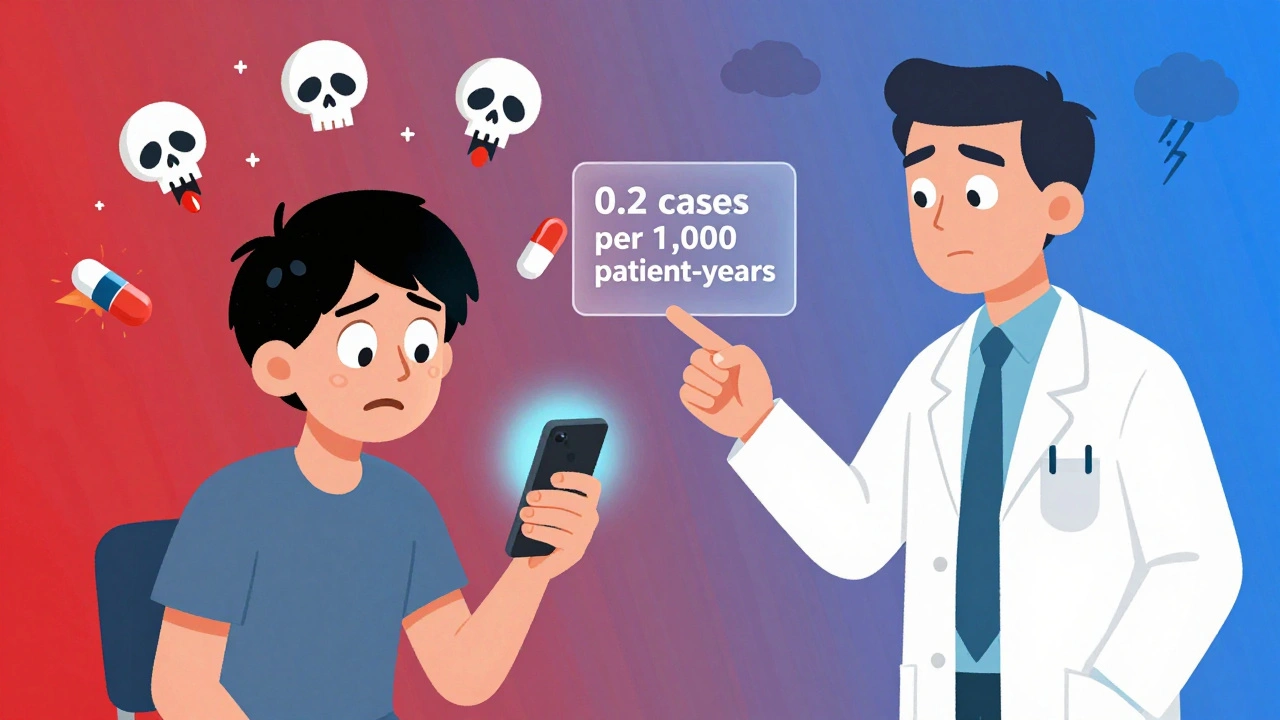
How to Interpret Risk vs. Benefit in FDA Safety Announcements
Learn how to read FDA safety announcements without panicking. Understand the difference between potential signals and confirmed risks, and how to weigh the real benefits against real dangers of your medication.