Ezetimibe Environmental Impact
When talking about ezetimibe, a cholesterol‑lowering agent that blocks intestinal absorption of dietary cholesterol. Also known as Zetia, it’s prescribed millions of times a year to keep LDL levels in check. But the story doesn’t stop at the pharmacy shelf. The pharmaceutical waste, unused pills, manufacturing leftovers, and disposal remnants generated during production and after use often ends up in landfills or wastewater streams. Those streams feed into water contamination, the presence of drug residues in rivers, lakes, and even drinking water. Recent monitoring shows trace amounts of ezetimibe showing up in surface water across several regions, raising questions about long‑term ecological effects. The ezetimibe environmental impact therefore includes three key parts: how the drug is manufactured, how patients discard it, and how nature processes the leftovers. Understanding these links helps scientists, regulators, and patients figure out where to cut the risk.
Key Factors Shaping the Impact
One major player in the mix is the broader class of statins, another group of cholesterol‑lowering drugs that work by inhibiting liver synthesis of cholesterol. Statins have been studied for years, and their environmental footprints are relatively well‑documented. When ezetimibe is combined with a statin—a common prescription pattern—the total drug load entering the environment can double, amplifying the pressure on aquatic organisms. Another piece of the puzzle is the set of FDA guidelines, regulations that dictate how manufacturers must manage waste and how pharmacies should advise patients on disposal. These rules aim to reduce the amount of active pharmaceutical ingredient that slips into water bodies. Meanwhile, researchers are tracking the ecological footprint, the sum of environmental resources used and waste generated by a product over its life cycle of ezetimibe, from raw material extraction to post‑consumer disposal. Early data suggest that the footprint is heavily influenced by the efficiency of waste‑water treatment plants and the prevalence of take‑back programs. In regions where such programs are robust, detectable ezetimibe levels drop dramatically, showing that policy and infrastructure matter as much as the chemistry itself.
Putting all these pieces together, we see a clear chain: ezetimibe production creates pharmaceutical waste, waste enters water systems, and water contamination can affect wildlife and potentially human health. The presence of statins in combination therapies, the strength of FDA‑mandated waste handling, and the overall ecological footprint all shape how big the impact becomes. Below, you’ll find a curated set of articles that dig into each step—manufacturing practices, disposal tips for patients, water‑quality studies, and policy analyses—so you can get a full picture of what’s at stake and what you can do to help keep our rivers and lakes cleaner.
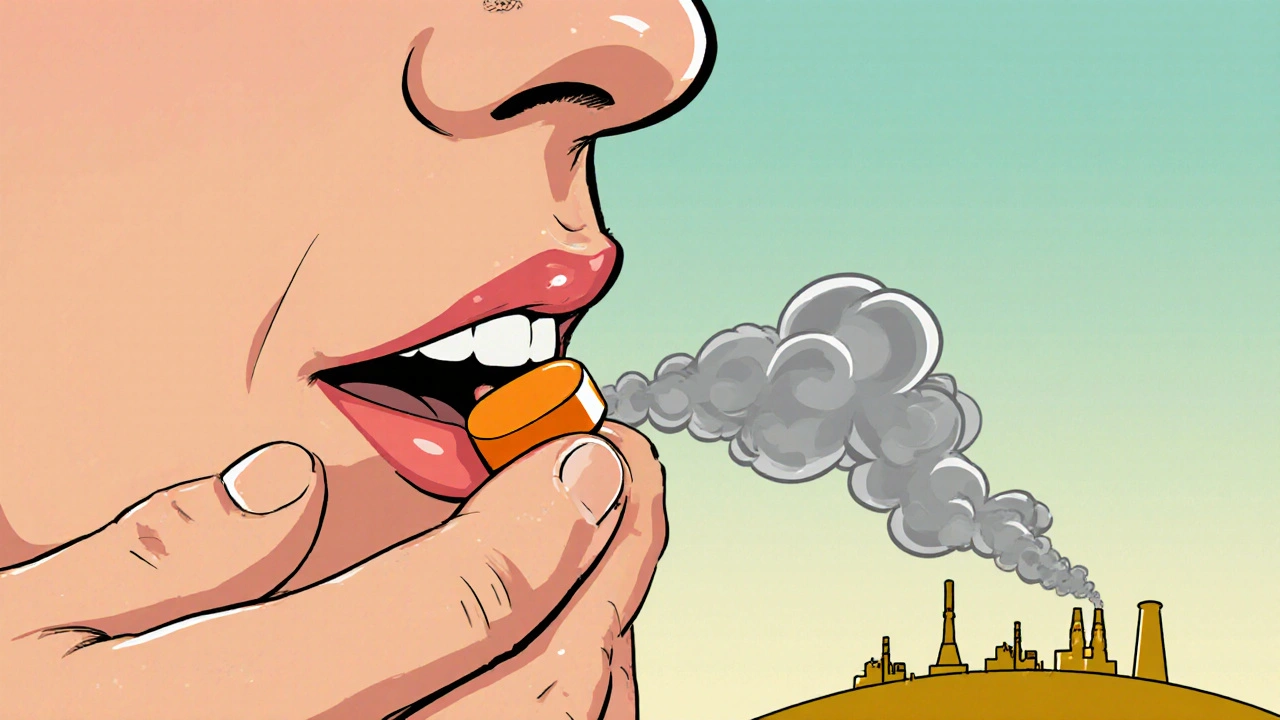
Ezetimibe Environmental Impact: Production, Disposal & Sustainability
Explore how ezetimibe is made, its carbon footprint, disposal issues, and practical steps to reduce its environmental impact.