Dental Anesthetics: Types, Techniques, and Pain Management
When working with Dental anesthetics, the drugs used to numb the mouth during dental procedures. Also known as dental anesthesia, they are essential for comfortable, pain‑free treatment. dental anesthetics are a subset of local anesthetic medicines that temporarily block nerve signals in the oral cavity.
Key Concepts and Applications
The backbone of dental anesthesia is the Local anesthetic, a class of drugs that interrupt the transmission of pain impulses at the site of injection. Common agents include Lidocaine, known for its rapid onset and moderate duration, and Articaine, which offers deeper penetration for tougher procedures. To deliver these agents effectively, dentists use a Nerve block, a technique that targets specific branches of the trigeminal nerve, such as the inferior alveolar or posterior superior alveolar nerves. The relationship is clear: dental anesthetics encompass local anesthetic agents, and successful nerve blocks depend on the pharmacology of lidocaine or articaine. This trio—local anesthetic, lidocaine (or articaine), and nerve block—forms the core of pain control in routine extractions, root canals, and restorative work. When selecting a drug, clinicians consider factors like onset time, duration, patient allergy history, and the required depth of anesthesia.
Beyond the core agents, dental anesthetics intersect with broader pain‑management strategies. Sedatives such as nitrous oxide or oral anxiolytics may accompany a nerve block to calm anxious patients, while postoperative analgesics like ibuprofen or acetaminophen handle lingering discomfort. Understanding dosage limits, systemic toxicity risks, and contraindications is crucial; for example, exceeding the maximum lidocaine dose can lead to central nervous system symptoms. Practitioners also need to recognize the influence of vasoconstrictors (e.g., epinephrine) that prolong anesthetic effect but require caution in patients with cardiovascular issues. By mastering these interconnected concepts—drug choice, injection technique, adjunct sedation, and safety protocols—dentists ensure a smooth, pain‑free experience. Below you’ll find a collection of articles that dive deeper into specific agents, techniques, and safety considerations, giving you actionable insights for every step of the dental anesthesia process.
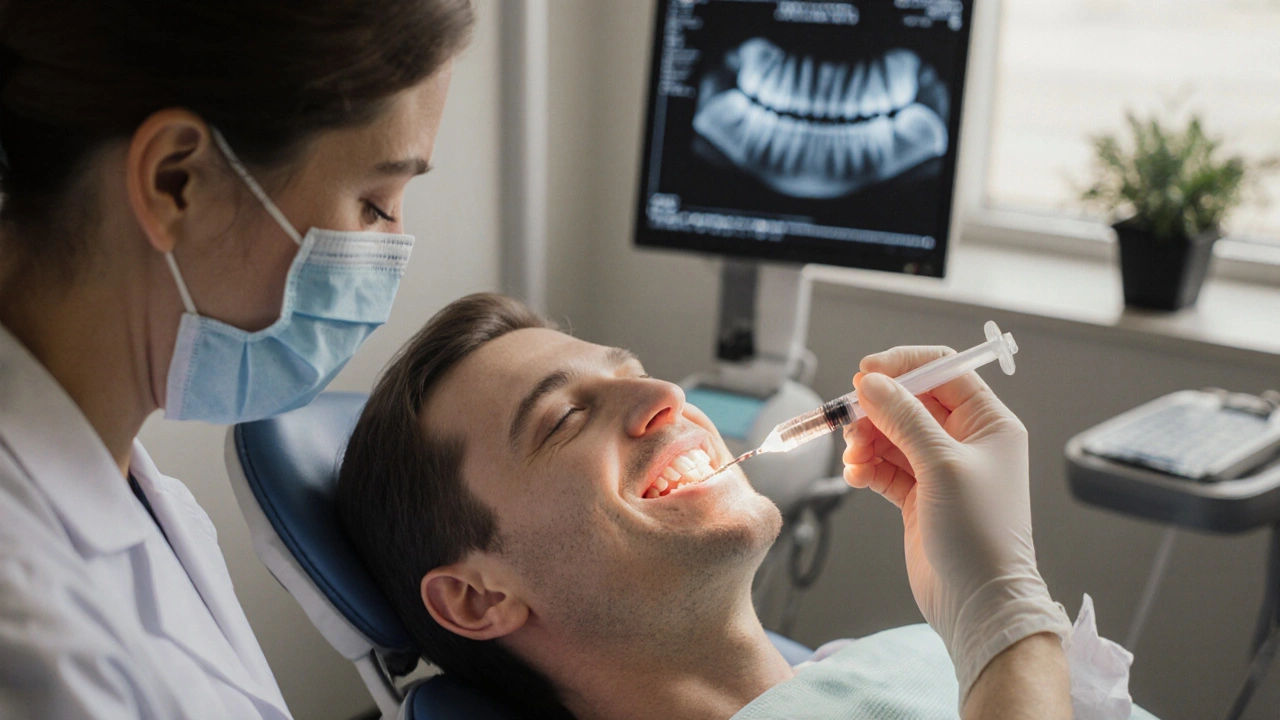
How Local Anesthesia Boosts Minimally Invasive Dentistry
Explore how local anesthesia enhances minimally invasive dentistry, covering drug choices, techniques, safety, patient comfort, and practical guidelines.