Breathing Techniques – Simple Ways to Boost Health and Well‑Being
When working with breathing techniques, controlled patterns of inhalation and exhalation that support health and stress management. Also known as respiratory exercises, they balance the autonomic nervous system and increase oxygen flow, you instantly tap into a tool that can change how you feel all day. One major benefit is stress reduction, lowering cortisol and calming the mind, which often leads to better medication adherence, following dosing schedules consistently. Proper practice also boosts lung capacity, the volume of air the lungs can hold and use efficiently. Below you’ll see why these connections matter for the articles we’ve gathered.
Why breathing matters for stress and focus
Every time you pause to count breaths, you trigger the parasympathetic branch of the nervous system. That simple switch flips the body from “fight‑or‑flight” to “rest‑and‑digest,” which means heart rate slows and anxiety drops. In practical terms, this translates to fewer headaches, steadier hands when you’re filling a prescription, and a clearer head for reading dosage instructions. A quick 4‑7‑8 routine—inhale for 4 seconds, hold for 7, exhale for 8—can shave minutes off cortisol spikes after a stressful phone call with a pharmacy. The result? You’re more likely to stick to the dosing schedule you read on our guides about cheap generic amoxicillin or Motrin.
Stress reduction isn’t just a feeling; it’s a measurable benefit. Studies show that regular diaphragmatic breathing can cut perceived stress scores by up to 30 % within two weeks. That drop in stress often improves breathing techniques’s side‑kick: better sleep. When you sleep well, you remember to take meds on time, whether it’s a nightly dose of finasteride for hair‑loss or a morning pill for blood pressure. So the link between breathing and medication adherence isn’t a coincidence—it’s a cause‑and‑effect chain you can control.
Our site’s collection of medication buying guides, like the step‑by‑step for cheap generic Cymbalta or Seroquel, frequently mentions the importance of staying calm during online transactions. The less anxious you feel, the less likely you are to fall for scams or miss a crucial step like confirming the pharmacy’s license.
Beyond anxiety, breathing directly supports productivity. The article on staying focused when uncomfortable highlights how a simple breath‑pause can reset your attention span. By inhaling fully, holding for a beat, and exhaling slowly, you give the brain a fresh burst of oxygen, which fuels the prefrontal cortex—the part responsible for concentration. This technique works whether you’re reading a dental anesthesia guide or drafting a comparison of hair‑loss treatments.
Now let’s talk lungs. Lung capacity isn’t just a number for athletes; it’s a health marker for anyone with breathing‑related conditions, from asthma to chronic obstructive pulmonary disease (COPD). Regular breath work—like box breathing (4‑4‑4‑4) or pursed‑lip breathing—strengthens the diaphragm and improves the elasticity of lung tissue. The measurable attribute here is vital capacity, typically between 4 and 6 liters for healthy adults. Boosting that number by even 5 % can mean easier daily activities, lower fatigue, and a reduced risk of hypoxia when you’re on medications that may affect breathing, such as certain sedatives discussed in our local anesthesia article.
Better lung function also means your body can process oxygen‑dependent drugs more efficiently. For example, nitroglycerin tablets for heart conditions rely on good blood‑oxygen exchange. When your lungs work well, you get more consistent drug absorption, which translates to more predictable therapeutic outcomes.
All these connections—stress reduction, lung capacity, medication adherence—show why breathing techniques deserve a spot in any health toolkit. The articles we’ve compiled below cover a wide range of topics, from buying cheap generic antibiotics to comparing hair‑loss treatments, and each can be enhanced by a bit of mindful breathing. Whether you’re an anxious shopper, a busy professional, or someone managing a chronic condition, you’ll find practical tips that pair well with the breathing tools we’ve outlined.
Ready to see how breathing fits into each of these health areas? Scroll down to explore our curated posts and discover actionable advice you can start using today.

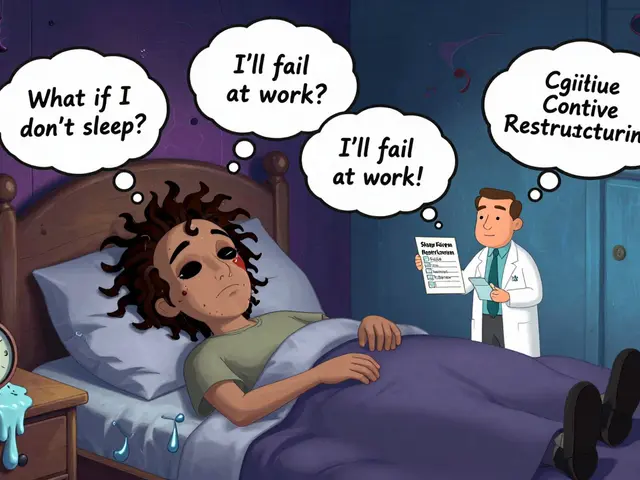
How Anxiety Triggers Breathing Disorders and What to Do
Explore how anxiety influences breathing, learn to spot hyperventilation vs asthma, and discover practical breathing techniques to break the cycle.