Brand Loyalty in Medications: Why Patients Stick With Certain Drugs
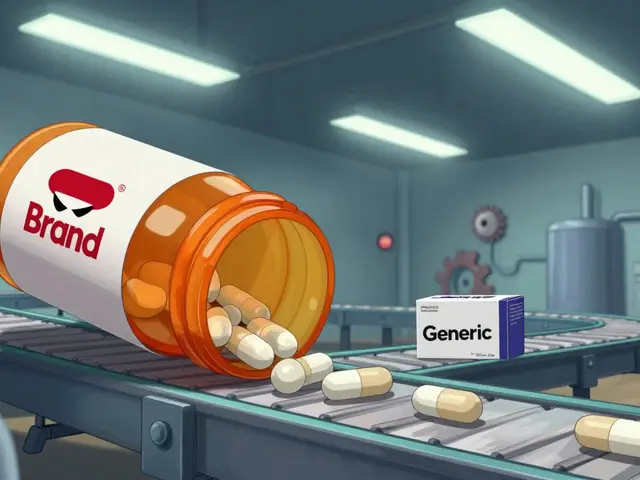
When you keep picking the same pill bottle off the shelf—even when a cheaper version exists—you’re not just being consistent, you’re showing brand loyalty, the tendency to repeatedly choose a specific medication because of trust, habit, or perceived effectiveness. Also known as pharmaceutical brand preference, it’s not just marketing—it’s deeply tied to how people experience their health. This isn’t about logos or ads. It’s about the quiet confidence you feel when you’ve been on the same drug for years and it just works. Your body responds. Your symptoms ease. You don’t want to risk switching, even if your doctor says the generic is identical.
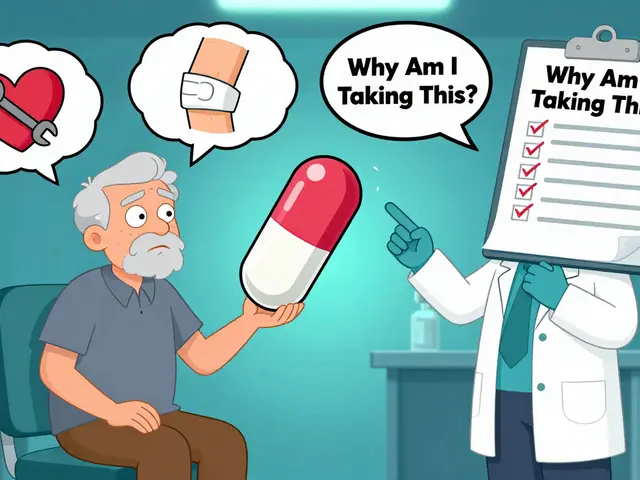
That trust connects directly to medication adherence, how consistently someone takes their prescribed medicine. drug compliance drops when patients are confused, scared of side effects, or feel uncertain about a new version. Studies show people are more likely to stick with a regimen if they believe the brand is more reliable—even when science says otherwise. This matters because poor adherence leads to hospital visits, worsening conditions, and higher healthcare costs. It’s why pharmacists often ask: "Are you comfortable switching?" before dispensing a generic.
Behind every brand-name drug is a story: maybe it was the first thing that helped your migraines, or your doctor spent time explaining how it works. That emotional connection sticks. Meanwhile, generic drugs, medications with the same active ingredients as brand-name versions but sold under chemical names. Also known as generic equivalents are often 80% cheaper. Yet, many patients still ask for the brand. Why? Because they remember the side effects they had on another generic—or they’ve heard stories. And in medicine, perception often outweighs data.
Pharmaceutical companies know this. They spend billions building trust through patient support programs, clear labeling, and even apps that remind you to take your pill. But real loyalty isn’t built on ads—it’s built on results. When someone sees their blood pressure drop, their depression lift, or their eczema clear up on a specific drug, they don’t want to gamble on change. That’s why patient trust, the confidence a person has in their medication and healthcare provider is the real currency in treatment.
What you’ll find in these articles isn’t a debate about generics vs. brands. It’s a look at how real people make choices—what makes them stick with a pill, what makes them switch, and how labels, interactions, and personal experience shape those decisions. From comparing Clofranil to SSRIs to understanding why people keep using Eukroma Cream despite risks, these posts show the human side of medication use. You’ll see how adherence tools, drug interactions, and even pet therapy tie back to one thing: trust in what you take every day.

When Staying on Brand Beats Generic Alternatives: Rare Cases Where Consistency Wins Customer Trust
In rare but powerful cases, staying true to your brand - even when it seems smarter to switch to generics - creates deeper trust, stronger loyalty, and higher customer retention. Here’s why consistency wins.