Antidepressant Combination: What It Is and Why It Matters
When talking about Antidepressant Combination, the practice of prescribing two or more antidepressant drugs together to boost efficacy or reduce side effects. Also known as combo therapy, it offers a way to tackle depression when a single agent falls short.
Most patients start with a single antidepressant — an SSRI, SNRI, or atypical agent. When that alone doesn’t bring enough relief, clinicians may turn to Combination Therapy, pairing drugs that act on different neurotransmitters. This approach can enhance symptom control, lower the dose needed for each drug, and sometimes cut down unwanted effects. It’s especially common in Major Depressive Disorder, where treatment resistance is a frequent challenge.
Why Combine Antidepressants?
First, different drug classes target distinct brain pathways. SSRIs increase serotonin, while SNRIs boost both serotonin and norepinephrine. Adding a low‑dose atypical agent, such as bupropion, adds a dopamine lift. The semantic triple here is: Antidepressant Combination includes multiple drug classes. By hitting several neurotransmitter systems, patients often see faster mood improvement. Second, side‑effect profiles can complement each other. For example, an SSRI may cause sexual dysfunction, but adding bupropion can offset that. Finally, some combos allow lower doses of each drug, which means fewer dose‑related issues. In short, Combination therapy can improve treatment response.
Doctors don’t just mash pills together; they follow evidence‑based guidelines. A typical regimen might start with an SSRI at a therapeutic dose, then add a second agent after 4‑6 weeks if remission isn’t achieved. Monitoring is crucial because drug‑drug interactions can raise serotonin levels too high, risking serotonin syndrome. That’s why clinicians often use a SNRI as the second line—it shares some mechanisms with SSRIs but adds norepinephrine, giving a broader boost without dramatically increasing serotonin alone. The triple Major Depressive Disorder often requires combination reflects real‑world practice.
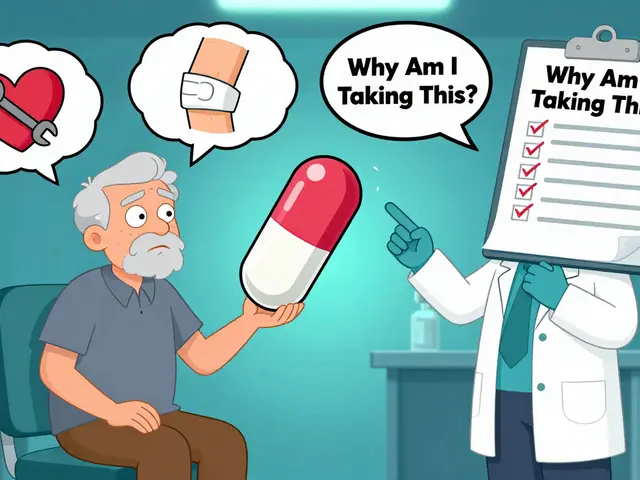
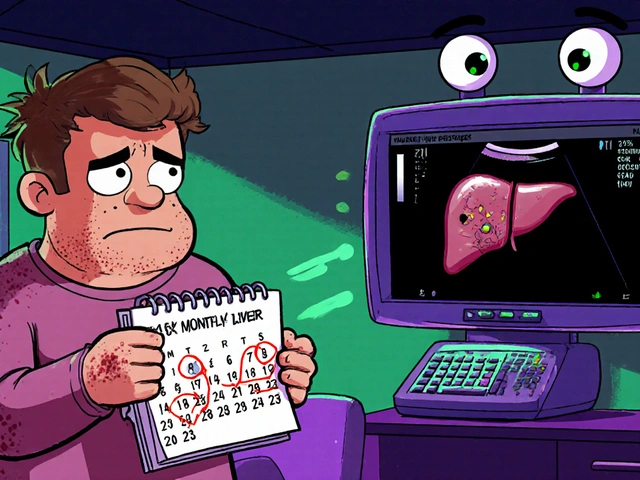
From a patient perspective, combo therapy can feel like a lifeline. Those who have tried several single agents without success often report noticeable mood lift once a second medication is added. However, they must stay alert for new side effects, such as increased anxiety, insomnia, or blood pressure changes with certain norepinephrine‑heavy agents. Regular follow‑ups, blood work for liver enzymes, and a clear symptom diary help keep the treatment on track.
Insurance coverage and cost can be another hurdle. Some combos use generic versions that keep expenses low, while others involve brand‑only drugs that might need prior authorization. Pharmacists play a big role here, checking for interactions and suggesting affordable alternatives. The goal is always to find the simplest, most effective mix for each individual.
Below you’ll find a curated list of posts that dive deep into specific drug pairings, safety checks, and real‑world case studies. Whether you’re a clinician looking for dosing tips or a patient curious about what’s possible, this collection gives you practical insight into how antidepressant combinations are shaping modern depression care.
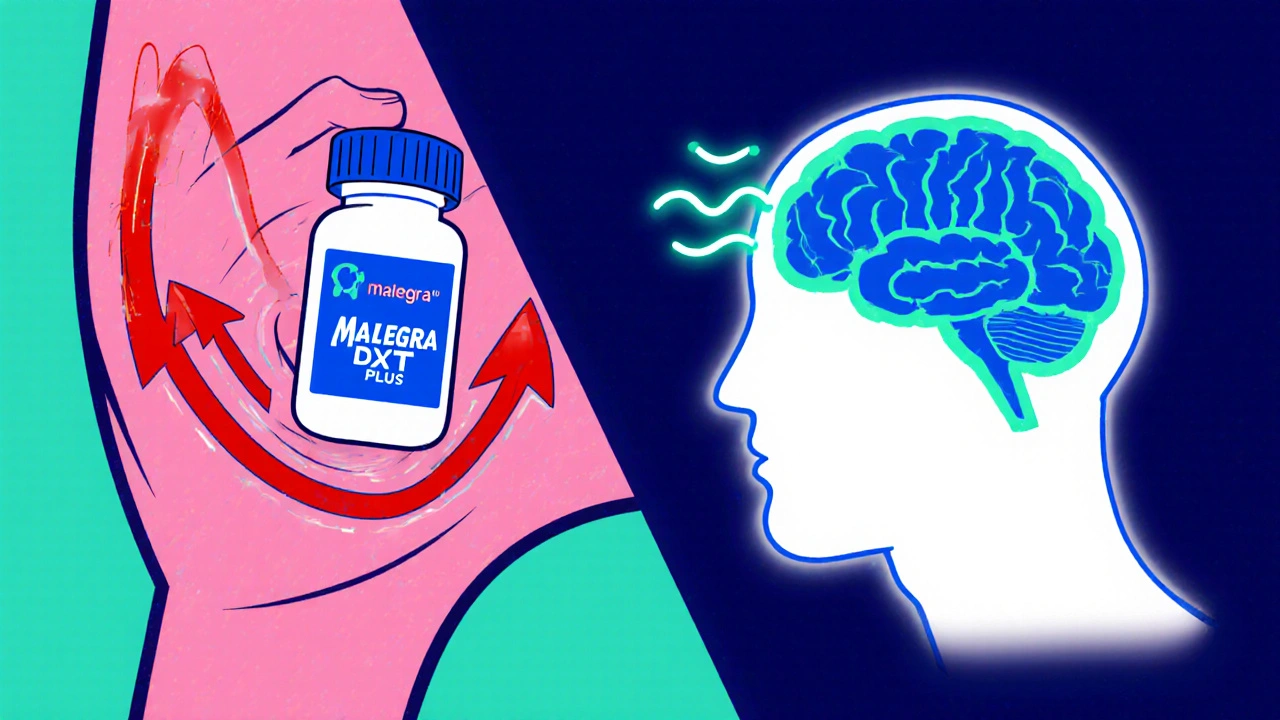
Malegra DXT Plus vs Alternatives: Sildenafil & Duloxetine Combination Compared
Malegra DXT Plus combines sildenafil and duloxetine. This guide compares it to standalone ED pills, antidepressants and other combos, covering benefits, risks, costs and how to choose the right option.