Stomach Bleeding Risk – Quick Guide
If you’ve ever felt a weird stomach ache after taking painkillers, you might be wondering if your gut is in trouble. Stomach bleeding, also called gastrointestinal (GI) bleeding, happens when the lining of your stomach or intestines gets damaged enough to let blood seep out. It’s not always an emergency, but ignoring it can lead to anemia, serious infection, or worse. Here’s the low‑down on why it happens, how you can catch it early, and what you can do to keep it from happening.
Common Triggers
Most of the time, medicines are the biggest culprits. Over‑the‑counter pain relievers like ibuprofen, naproxen, and aspirin thin the protective mucus layer, making it easier for stomach acid to irritate the wall. That’s why doctors call them “NSAIDs” – non‑steroidal anti‑inflammatory drugs – and warn you to use the lowest dose for the shortest time.
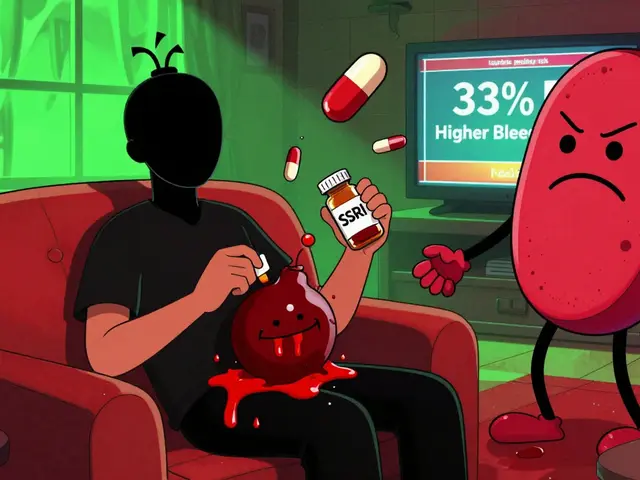
Anticoagulants (blood thinners) such as warfarin, apixaban, or even the popular over‑the‑counter “blood‑clot buster” fish‑oil supplements can also tip the scales. They don’t cause ulcers by themselves, but if a tiny sore is already there, the blood can’t clot properly, turning a small bleed into a bigger problem.
Alcohol, smoking, and a diet high in spicy or acidic foods won’t usually cause a bleed on their own, but they can aggravate existing ulcers. H. pylori infection – a bacterial bug that lives in the stomach lining – is another major player. It’s silent for years, then suddenly triggers an ulcer that can bleed.
How to Lower Your Risk
First, be smart about meds. If you need an NSAID, take it with food, and consider a protective drug like a proton‑pump inhibitor (PPI) if you’re on it long‑term. Talk to your doctor about the lowest effective dose and whether a different pain reliever might be safer for you.
Stay hydrated and limit alcohol. A glass of water with each pill can help dilute stomach acid, while cutting back on booze reduces irritation. If you smoke, quitting can improve your stomach’s ability to repair itself.
Watch your symptoms. Dark, tar‑like stools, vomiting blood that looks like coffee grounds, or a sudden, sharp stomach pain are red flags. If you notice any of these, call a doctor right away – they’re signs that bleeding is already happening.Regular check‑ups matter, especially if you have a history of ulcers or take blood thinners. A simple breath test or stool test can spot H. pylori, and a short course of antibiotics can clear it up before it causes trouble.
Finally, a balanced diet with plenty of fiber, lean protein, and low‑fat dairy helps keep your gut lining healthy. Foods rich in flavonoids – like berries, apples, and green tea – have been shown to protect the stomach lining and may lower bleeding risk.
Bottom line: stomach bleeding isn’t something you have to live with. By being aware of your meds, watching for warning signs, and making a few lifestyle tweaks, you can keep your gut safe and avoid a scary trip to the ER.
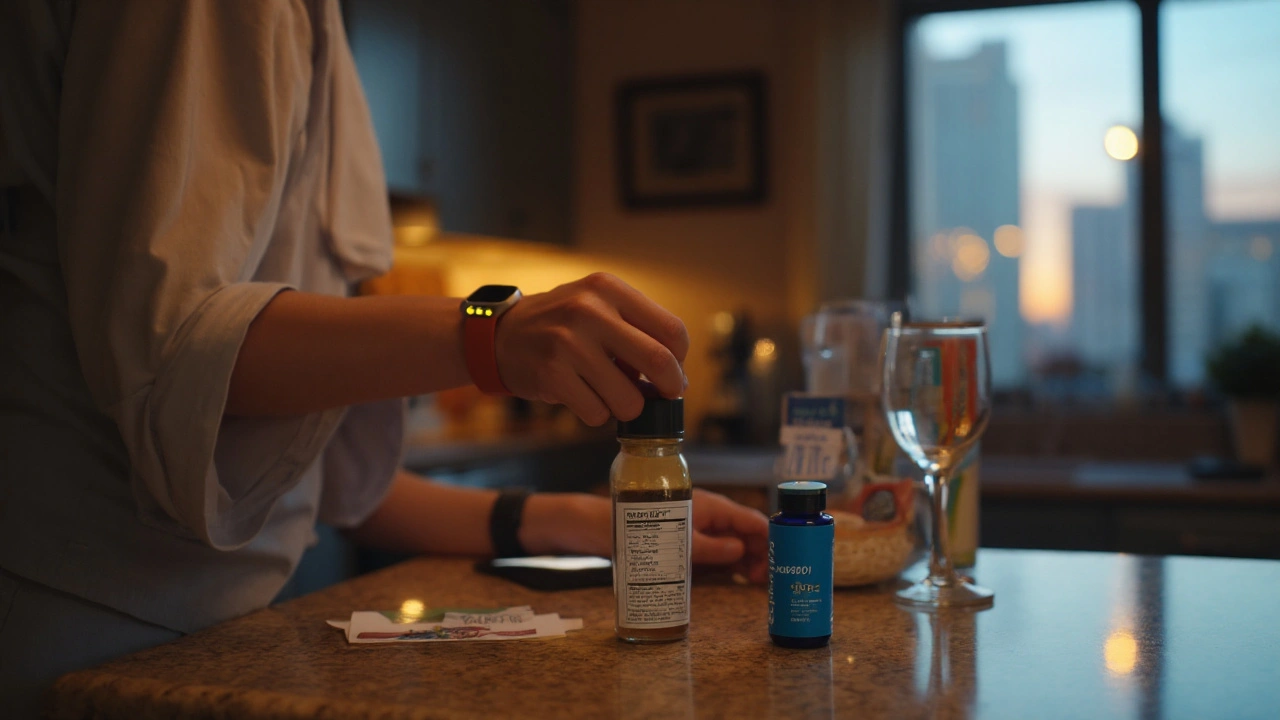
Naproxen and Alcohol: Risks, Timing, and Safer Pain Relief Options
Is it safe to drink on naproxen? Learn real risks, safe timing, who’s high‑risk, what to do if you mixed them, and better pain options when you plan to drink.