Skincare Routine: How to Build an Effective Daily Plan
When talking about skincare routine, a systematic set of steps you follow to keep your skin clean, protected, and healthy. Also known as skin care regimen, it shapes how your skin reacts to the environment, ages, and deals with breakouts. Understanding the basics lets you pick the right products and avoid common pitfalls.
First up is cleansing, the act of removing dirt, oil, and makeup from the skin's surface. It’s the foundation of any routine because without a clean canvas, moisturizers and serums can’t penetrate. Choose a formula that matches your skin type – gel for oily, cream for dry – and keep the water lukewarm to prevent stripping natural oils.
Next, moisturizer, a product that locks in hydration and reinforces the skin barrier. Even oily skin needs moisture; looking for lightweight, non‑comedogenic options helps maintain balance. Applying moisturizer on slightly damp skin boosts absorption, and it works hand‑in‑hand with serums to deliver active ingredients deeper.
Key Steps in a Skincare Routine
Skincare routine isn’t just about the products you buy; it’s about timing and consistency. After cleansing and moisturizing, sunscreen, a broad‑spectrum shield that protects skin from UVB and UVA rays becomes non‑negotiable. Sun exposure accelerates aging, triggers hyperpigmentation, and can undo all the work you put in earlier. A minimum SPF 30 applied every morning, reapplied every two hours outdoors, is the rule of thumb.
For many, exfoliation, the removal of dead skin cells to reveal smoother, brighter skin fits in a few times a week. Physical scrubs or chemical acids like AHA/BHA can improve texture, but over‑doing it breaks down the barrier and leads to irritation. Think of exfoliation as a periodic reset, not a daily habit.
When you combine these steps, you create a loop: cleansing clears the way, moisturizer locks in benefits, sunscreen guards the result, and occasional exfoliation fine‑tunes the surface. This loop influences skin health, reduces signs of aging, and keeps breakouts at bay. Each component feeds into the next, forming a coherent system rather than a random collection of products.
Beyond the basics, tailoring your routine to specific concerns—acne, redness, hyperpigmentation—means adding targeted actives like niacinamide, retinol, or salicylic acid. The key is to introduce one new product at a time, watch for reactions, and adjust usage frequency. This methodical approach prevents overload and helps you identify what truly works.
Seasonal changes also matter. In colder months, you’ll likely need richer moisturizers and a barrier‑repair serum, while summer calls for a lighter feel and extra sunscreen. Listening to your skin’s signals—tightness, oiliness, sensitivity—lets you tweak the routine without overhauling it entirely.
Finally, consistency trumps perfection. Skipping a step once won’t ruin results, but habit formation solidifies the benefits. Set reminders, keep your products visible, and make the routine a relaxing part of your morning or night ritual. Over time, you’ll notice clearer, smoother, and more resilient skin.
The articles below dive deeper into each of these elements, offering product reviews, technique tips, and expert advice to help you fine‑tune your own skincare routine. Explore the collection and start building a plan that fits your lifestyle and skin goals.
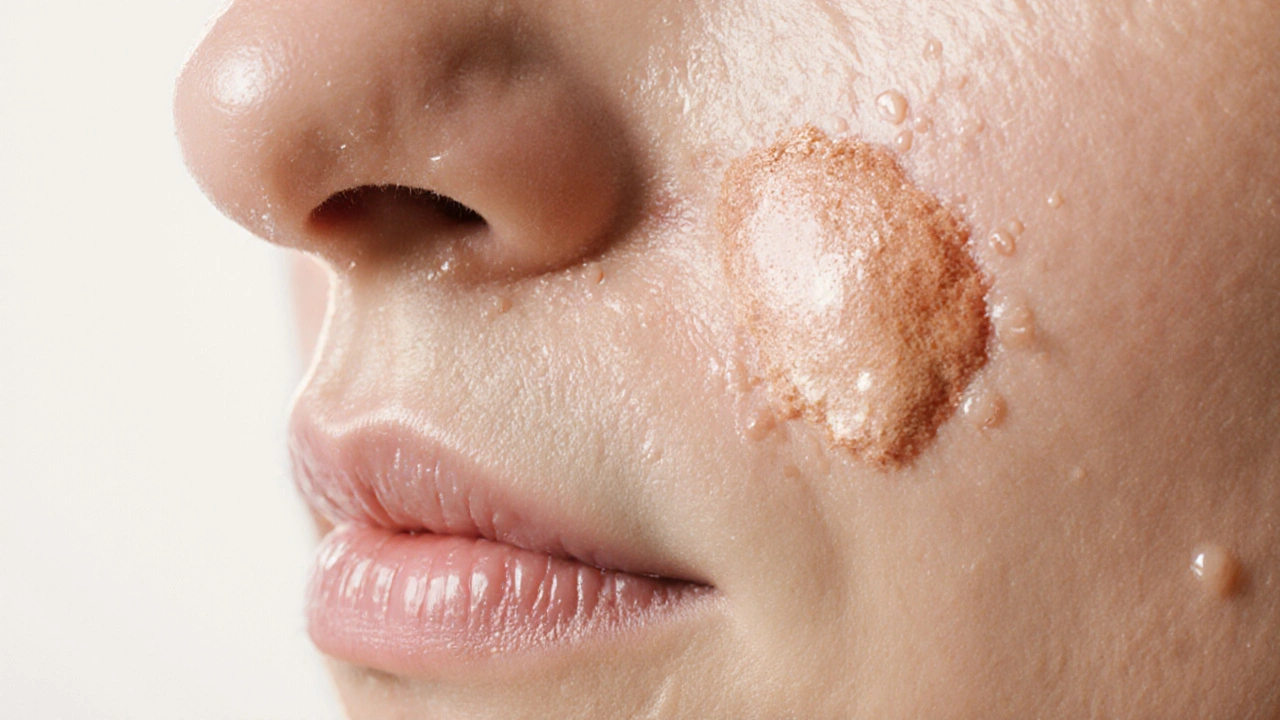
Why Regular Skin Exfoliation Stops Itching - Essential Guide
Learn why regular skin exfoliation prevents itching, how often to do it, which methods suit different skin types, and ways to avoid irritation for smoother, itch‑free skin.