Physical Exfoliation: What It Is and Why It Matters
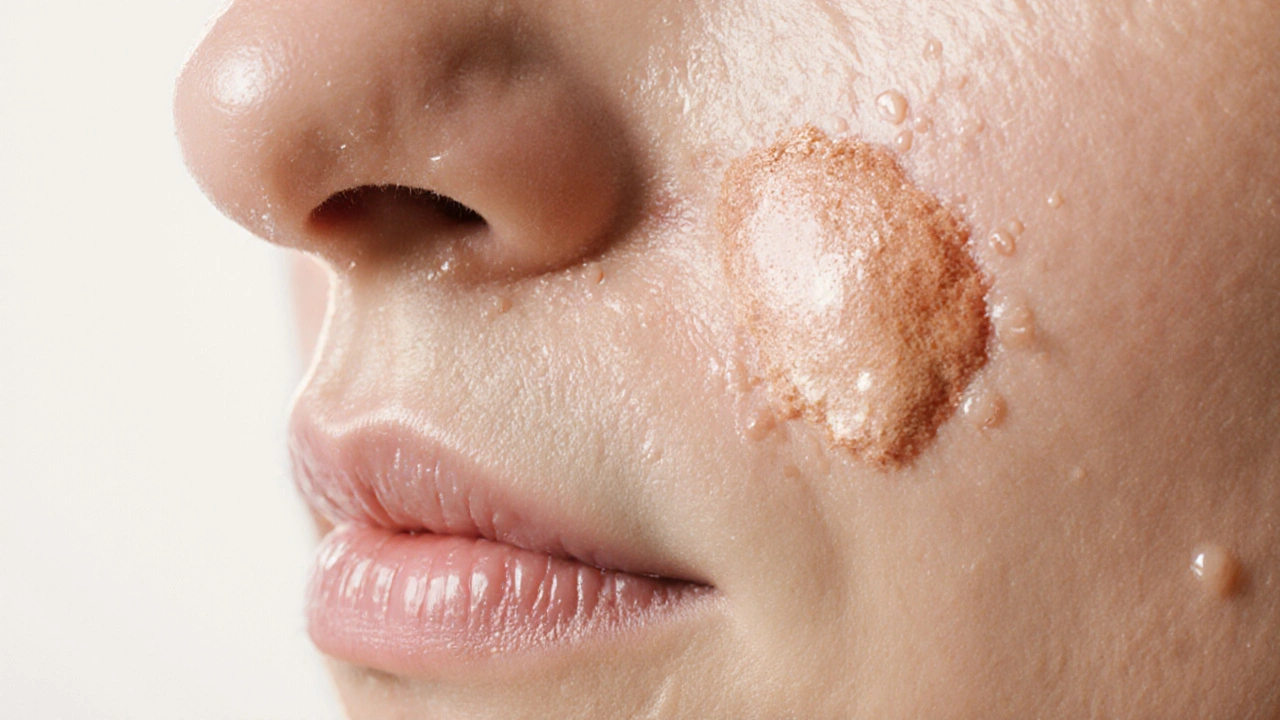
When talking about physical exfoliation, the process of manually removing dead skin cells using abrasive particles or tools. Also known as mechanical exfoliation, it helps reveal fresher skin underneath, improves texture, and boosts the effectiveness of moisturizers and serums. Scrubs, powder‑based products that contain granules like sugar, salt, or jojoba beads are one of the oldest forms of this technique, while newer options such as exfoliation brushes or dermaplaning devices expand the toolbox. The core idea is simple: physical exfoliation removes the outer layer of dead cells, allowing new cells to rise to the surface faster. This action creates a direct semantic link – Physical exfoliation encompasses mechanical scrubs – and sets the stage for healthier, more radiant skin.
Choosing the Right Physical Exfoliation Method
Not all abrasive tools work the same way, and picking the right one depends on skin type, sensitivity, and the desired outcome. Exfoliation brushes, cylindrical or handheld devices with soft bristles designed to glide across the face are great for oily or combination skin because they can gently lift surface debris without over‑scratching. For dry or mature skin, a milder scrub, with fine, rounded particles offers enough friction to smooth rough patches while minimizing irritation. Dermaplaning, which uses a surgical blade to slice away dead cells and fine vellus hair, provides a deeper peel that many users find beneficial before a major event or when preparing skin for makeup. The relationship here is clear: Physical exfoliation requires proper tool selection, and each tool brings its own set of attributes – particle size, bristle softness, blade sharpness – that influence the results.
Regardless of the tool, a few universal guidelines keep the process safe and effective. Start with a low‑frequency schedule – once or twice a week – and watch how your skin reacts before increasing frequency. Apply gentle pressure; the friction should come from the product or device, not from pushing hard. Follow up with a soothing moisturizer that contains ceramides or hyaluronic acid to lock in hydration and support the fresh skin barrier. By respecting these principles, you create a logical chain: Physical exfoliation improves skin health when paired with proper after‑care. Below, you’ll find a curated selection of articles that dive deeper into specific products, compare different techniques, and answer common questions about safety, effectiveness, and choosing the best approach for your skin type.
Why Regular Skin Exfoliation Stops Itching - Essential Guide
Learn why regular skin exfoliation prevents itching, how often to do it, which methods suit different skin types, and ways to avoid irritation for smoother, itch‑free skin.