Pharmaceutical Waste: What It Is and Why It Matters
When dealing with pharmaceutical waste, unused, expired, or discarded medicines and medical products that end up in landfills, sewers, or the environment. Also known as medicine waste, it poses serious challenges for public health and the planet. Effective medicine disposal, proper methods such as mail‑back envelopes, drop boxes, or incineration that keep drugs out of water supplies helps reduce the environmental impact, contamination of rivers, groundwater, and wildlife exposure. Many regions have set up drug take‑back programs, organized collection events that let you safely return unwanted meds to pharmacies or community centers, providing a clear route to safe disposal.
Pharmaceutical waste doesn't just sit on a shelf; it travels through waste streams and can end up in rivers that feed drinking water. Studies show detectable traces of antibiotics, hormones, and painkillers in surface water worldwide. The presence of these compounds can foster antibiotic‑resistant bacteria and disrupt aquatic ecosystems. That’s why the environmental impact of drug residues is a growing concern for regulators and scientists alike. When you understand that link—"pharmaceutical waste" affects "water quality"—you see why proper disposal matters.
How Disposal Practices Shape the Problem
Improper disposal methods like flushing pills or tossing them in the trash are still common because many people aren't aware of safer options. Flushing sends drugs straight to wastewater treatment plants, which often lack the technology to filter out complex chemicals. Landfilling can lead to leaching, especially when trash ends up in poorly managed sites. In contrast, a well‑run take‑back program creates a closed‑loop system: the pharmacy collects the drugs, a certified processor destroys them, and no residue reaches the environment. This process requires collaboration between patients, healthcare providers, and local authorities.
Regulatory guidance varies by country, but most health agencies now recommend specific disposal pathways. For example, the U.S. EPA advises using DEA‑authorized take‑back events, while the EU encourages manufacturers to fund "product‑take‑back" schemes. Knowing the local rules helps you avoid illegal dumping and supports compliance. When you follow these guidelines, you also contribute to the broader goal of reducing "pharmaceutical pollution" in ecosystems.
Beyond regulations, technology is stepping in. Some pharmacies offer on‑site shredders that grind pills into non‑recoverable particles, while certain waste‑to‑energy plants can safely incinerate drugs at high temperatures, breaking down harmful compounds. These innovations show that safe disposal can be both practical and scalable. The key is matching the right tool—whether it's a mail‑back kit or a community collection point—to the type of waste you have.
Understanding the life cycle of a medication helps you make smarter choices. From manufacture to prescription, each step carries a responsibility to minimize waste. When a prescription is no longer needed, instead of tossing it, ask your pharmacist about a take‑back drop box or request a mailed return envelope. By treating unused meds as a hazardous material rather than everyday trash, you protect both your health and the environment.
Below, you’ll find a curated set of articles that dive deeper into specific drugs, compare alternatives, and explain side‑effects—each piece touches on how proper handling of these medicines can reduce waste. Whether you’re looking for a quick tip on safe disposal or a thorough guide on the environmental risks of a particular drug class, the collection offers practical insights you can act on right away.
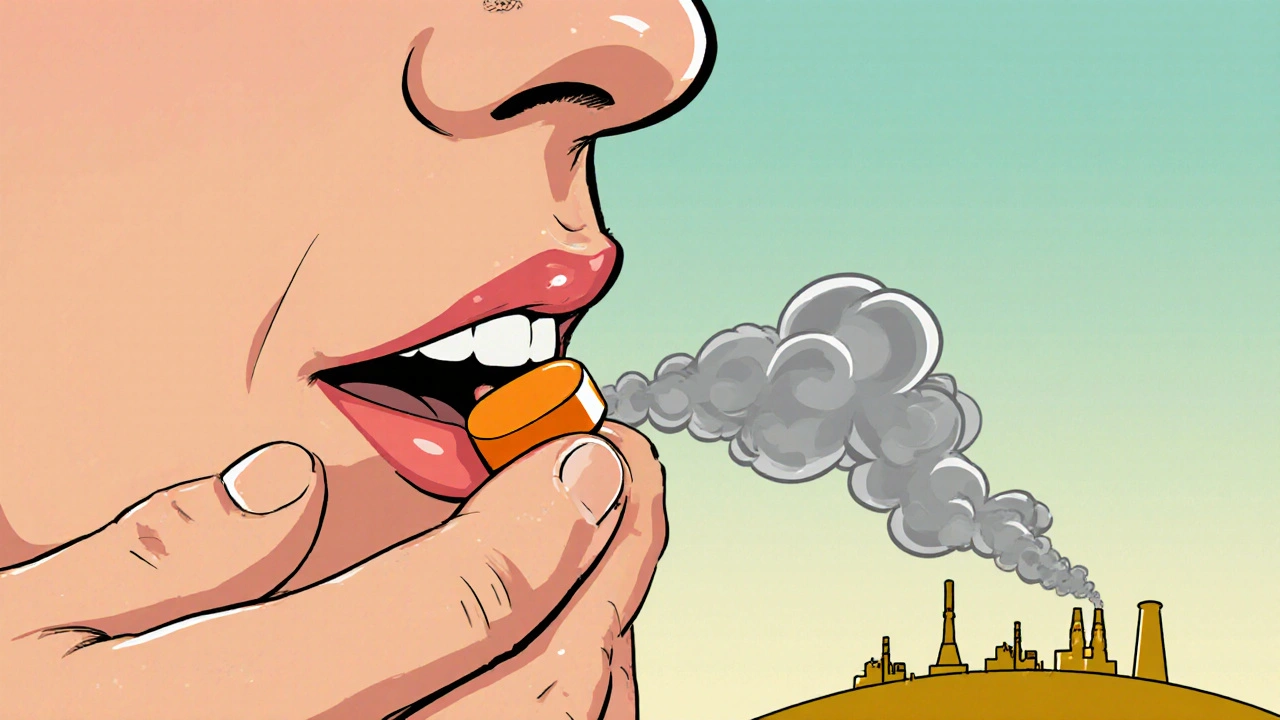
Ezetimibe Environmental Impact: Production, Disposal & Sustainability
Explore how ezetimibe is made, its carbon footprint, disposal issues, and practical steps to reduce its environmental impact.