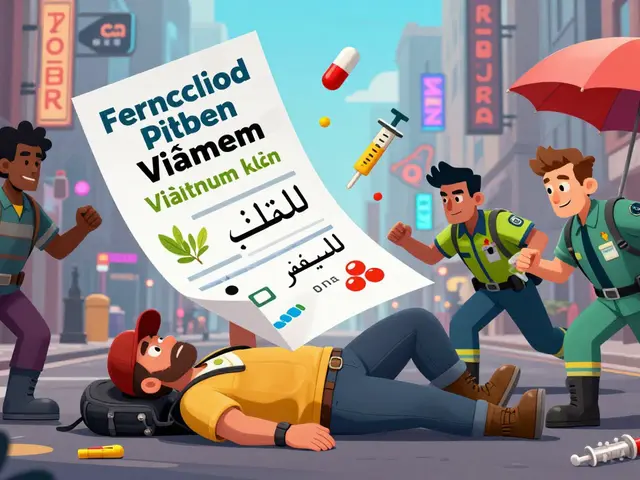
Medication Therapy Management: How to Stay Safe, Stay on Track, and Get Real Results
When you’re taking multiple medications, medication therapy management, a structured approach to optimizing drug use and preventing harmful side effects. Also known as MTM, it’s not just about filling prescriptions—it’s about making sure each drug actually works for you without causing harm. Too many people assume that if a doctor prescribed it, it’s automatically safe to take with everything else. But that’s not true. Taking an antacid with your antibiotic can cut its effectiveness by 90%. Mixing MAOI antidepressants with aged cheese can spike your blood pressure to dangerous levels. These aren’t rare mistakes—they’re common, preventable errors that medication therapy management exists to fix.
At the heart of medication therapy management, a structured approach to optimizing drug use and preventing harmful side effects. Also known as MTM, it’s not just about filling prescriptions—it’s about making sure each drug actually works for you without causing harm. is drug interactions, when two or more medications, foods, or supplements change how each other works in your body. Also known as medication interactions, they’re behind most preventable hospital visits from pills.. It’s not just about antibiotics and antacids—it’s fiber supplements blocking your thyroid med, beta-blockers hiding how hard you’re working out, or even your daily vitamin messing with your blood thinner. Then there’s medication adherence, how consistently you take your drugs exactly as prescribed. Also known as compliance, it’s the silent killer in chronic disease management.. You might have the perfect treatment plan, but if you skip doses, forget your inhaler, or stop because of side effects, it doesn’t matter. That’s why MTM includes practical tools—reminders based on your label, go-bags for emergencies, and even advice on how to take patches or injectables without feeling overwhelmed.
And it’s not just you doing this alone. pharmacist counseling, one-on-one advice from a licensed pharmacist about your specific meds. Also known as telepharmacy, it’s your secret weapon for understanding generics, spotting red flags on labels, and knowing when to ask your doctor to switch. is a core part of real medication therapy management. Online counseling, 24/7 pharmacist support, and clear explanations about authorized generics versus regular ones? That’s not luxury—it’s necessity. And when you combine that with medication safety, the practices and systems designed to prevent harm from drugs. Also known as drug safety, it’s the umbrella under which everything else falls., you’re not just avoiding mistakes—you’re building a system that actually works with your life, not against it.
Below, you’ll find real, practical guides that cut through the noise. No fluff. No theory. Just what to do when your antacid kills your antibiotic, how to read your label so you never miss a dose, why your fiber supplement might be sabotaging your thyroid med, and how to build a go-bag that could save your life in a disaster. These aren’t hypotheticals—they’re the exact problems real people face every day. And the solutions? They’re here.
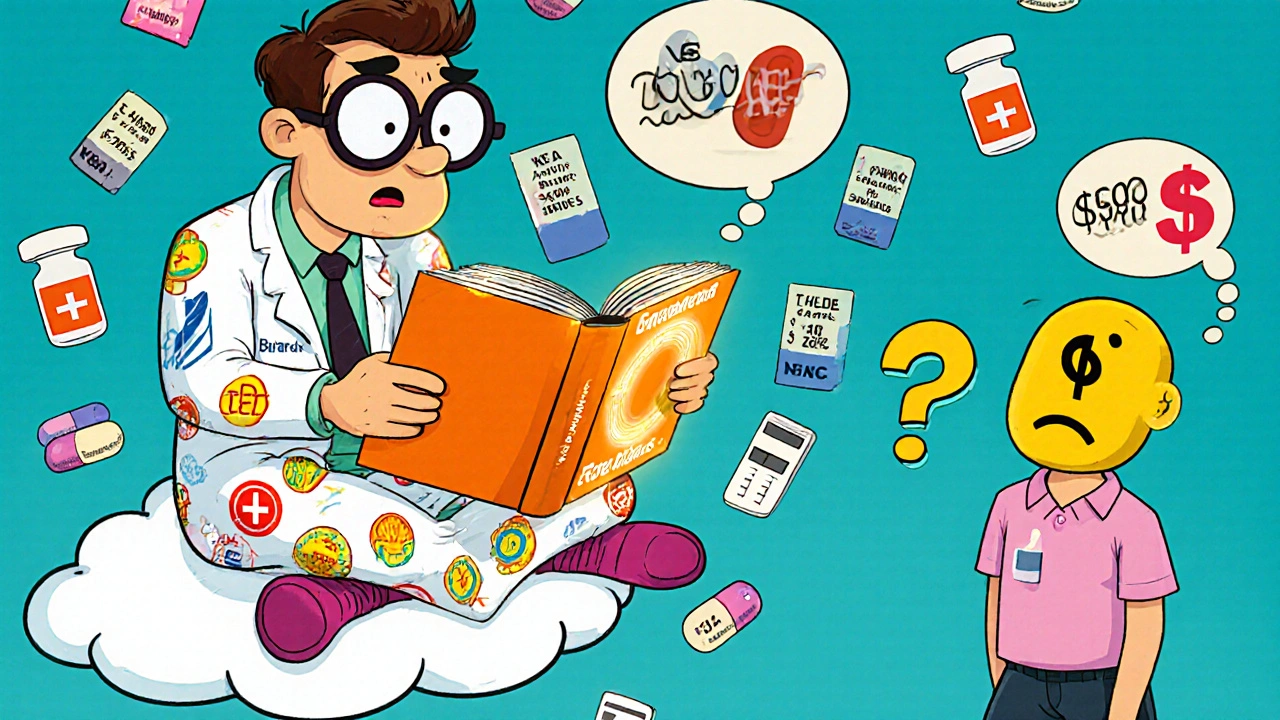
Medication Therapy Management: How Pharmacists Optimize Generic Drug Use for Better Outcomes
Pharmacists play a vital role in Medication Therapy Management by optimizing generic drug use to improve adherence, reduce costs, and prevent adverse events. Learn how MTM works and why it matters for patients on multiple medications.
Recent Post
-

How to Spot Post‑Surgery Eye Inflammation in Kids
Oct, 12 2025
-

Voucher Codes for Online Drug Store Genglob.com
Mar, 21 2025
-
GMP for Generics: FDA Requirements for Manufacturing
Dec, 17 2025