Medication Guide: Safe Use, Interactions, and Practical Tips for Every Drug
When you pick up a prescription, you’re not just getting pills—you’re getting a medication guide, a set of instructions and safety info designed to help you use drugs correctly and avoid harm. Also known as drug information leaflet, it’s your first line of defense against side effects, dangerous mixes, and missed doses. But most people never read it. They skip the fine print, forget to check timing, or assume generics work exactly like brand names. That’s where things go wrong.
A real medication guide, a set of instructions and safety info designed to help you use drugs correctly and avoid harm. Also known as drug information leaflet, it’s your first line of defense against side effects, dangerous mixes, and missed doses. isn’t just about what to take and when. It’s about understanding how your drug interactions, when one medicine changes how another works in your body. Also known as medication conflicts, they can cause everything from mild dizziness to life-threatening spikes in blood pressure. happen. Aged cheese with MAOIs. Fiber supplements blocking antibiotics. Even your morning coffee messing with your thyroid pill. These aren’t myths—they’re documented risks that show up in ERs every week.
Then there’s medication adherence, how consistently someone takes their drugs as prescribed. Also known as compliance, it’s the quiet crisis behind hospital readmissions and treatment failures. You might have the right meds, but if you skip doses because the bottle’s too big, you forget because the schedule’s confusing, or you’re scared of side effects, it doesn’t matter. That’s why smart reminders tied to your prescription labels, the printed instructions on your medicine bottle that tell you how much to take and when. Also known as pharmacy labels, they’re the blueprint for safe use. make all the difference. And when emergencies hit—power outages, travel, natural disasters—your emergency medication kit, a portable pack with your essential drugs, dosing info, and contact details for quick access. Also known as go-bag for meds, it’s not optional if you’re on insulin, blood thinners, or heart meds. needs to be ready. This isn’t about being paranoid. It’s about being prepared.
What you’ll find here isn’t theory. It’s what people actually need to know. How to time fiber with your pills so they don’t cancel each other out. Why your heart rate monitor fails on beta-blockers and what to use instead. How to read a label so your phone reminder actually works. What to throw in your go-bag before your next trip. When a generic isn’t the best choice—even if it’s cheaper. These aren’t abstract ideas. They’re fixes for real problems people face every day.
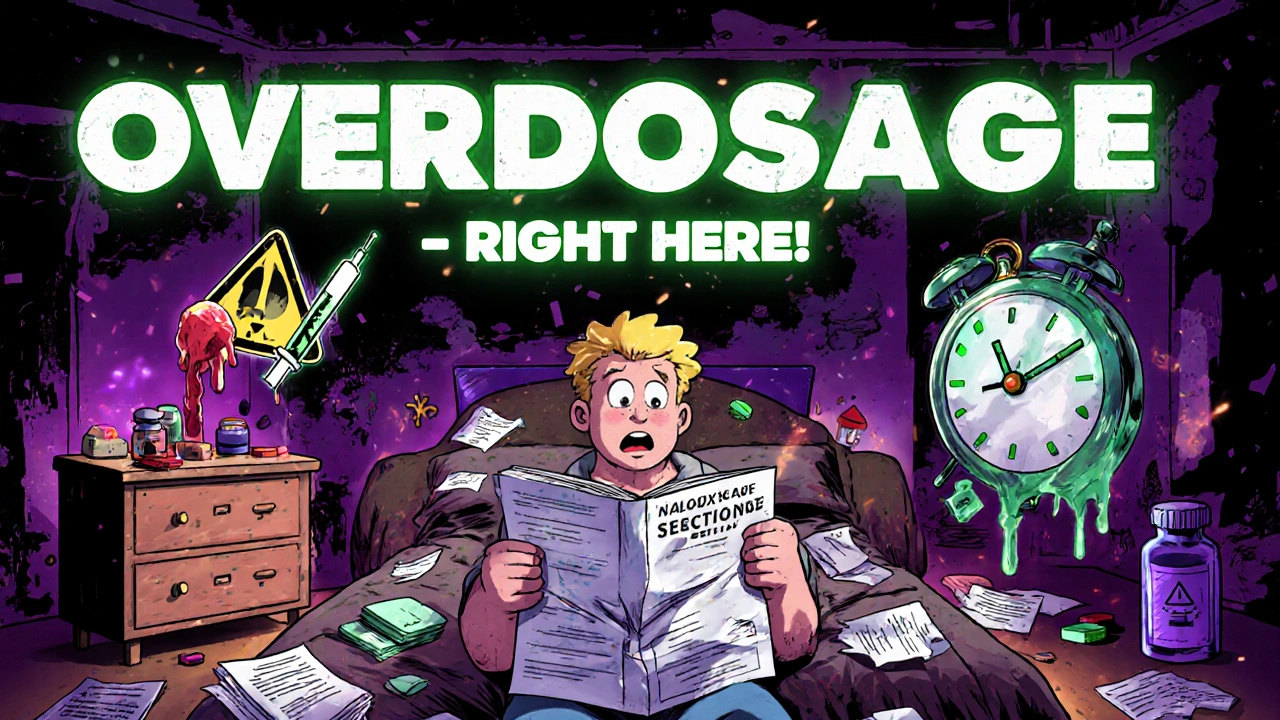
How to Read Medication Guides for Overdose Warnings and Antidotes
Learn how to find overdose warnings and antidotes in your medication guide. Know what to look for, how to act, and why skipping this step puts your life at risk.