Autism Parenting: Practical Tips and Resources
When navigating autism parenting, the blend of caring for a child on the autism spectrum while managing everyday family life. Also called autistic child parenting, it brings unique challenges and rewards. Understanding Autism, a neurodevelopmental condition marked by social, communication and sensory differences is the first step. Pairing that knowledge with solid Parenting, the practice of guiding, supporting and nurturing a child's growth techniques creates a foundation for success. From day‑to‑day routines to long‑term planning, every decision ties back to how you support your child's unique wiring. That’s why many families turn to Behavioral Therapy, structured interventions that teach coping skills and adaptive behaviors as a core piece of the puzzle. It isn’t a one‑size‑fits‑all approach; it’s a mix of science, observation, and love that evolves as your child grows.
Effective autism parenting encompasses behavior management because predictable schedules lower anxiety and improve focus. Behavioral therapy supports autism parenting by giving parents concrete tools to address meltdowns, social challenges, and communication gaps. Medication management influences autism outcomes – understanding side effects, dosing, and interactions helps keep the body in balance while the mind learns new skills. Sensory integration strategies benefit autism parenting by reducing overstimulation; simple changes like weighted blankets, noise‑reducing headphones, or textured play objects can make daily life smoother. Education planning requires collaboration between parents and schools, ensuring individualized education programs (IEPs) match therapeutic goals and classroom accommodations. Parents also often explore diet modifications, sleep hygiene, and mindfulness practices; each of these areas interlocks with the core pillars of routine, therapy, and medication. Real‑world stories show that when families track triggers, celebrate small wins, and stay flexible, the whole system becomes more resilient. The result is a home environment where the child feels safe, the parent feels empowered, and the whole family moves forward together.
What you’ll find in this collection
Below you’ll see a mix of articles that touch on health topics relevant to autism parenting – from safe medication use and side‑effect management to practical lifestyle tweaks that reduce stress. Some posts dive into specific conditions that can co‑occur with autism, while others offer broader wellness advice you can adapt for your child’s needs. Whether you’re looking for quick safety tips, in‑depth drug comparisons, or evidence‑based strategies for everyday challenges, the curated list gives you actionable information at a glance. Use this resource as a toolbox: pick the pieces that fit your situation and build a roadmap that works for your family.
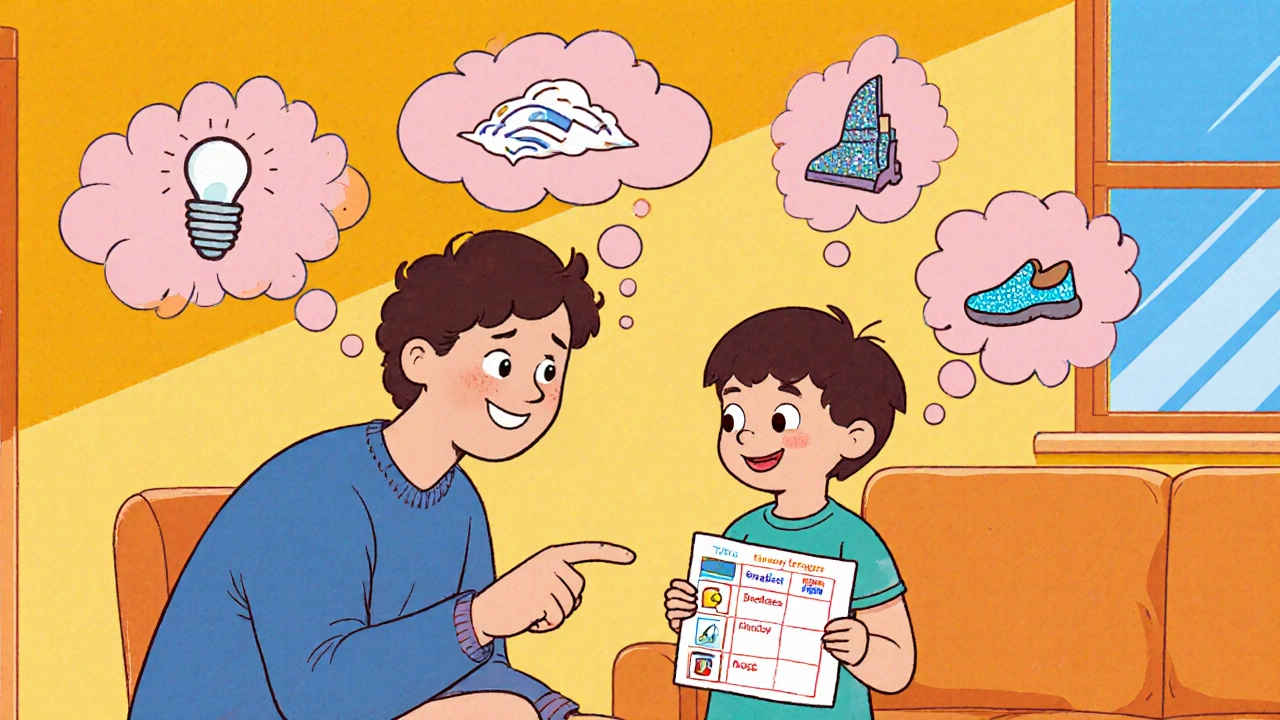
Autism and Parenting Styles: Finding the Right Approach for Your Family
Discover how different parenting styles affect autistic children and learn practical tweaks to create a supportive family approach that works for your unique situation.